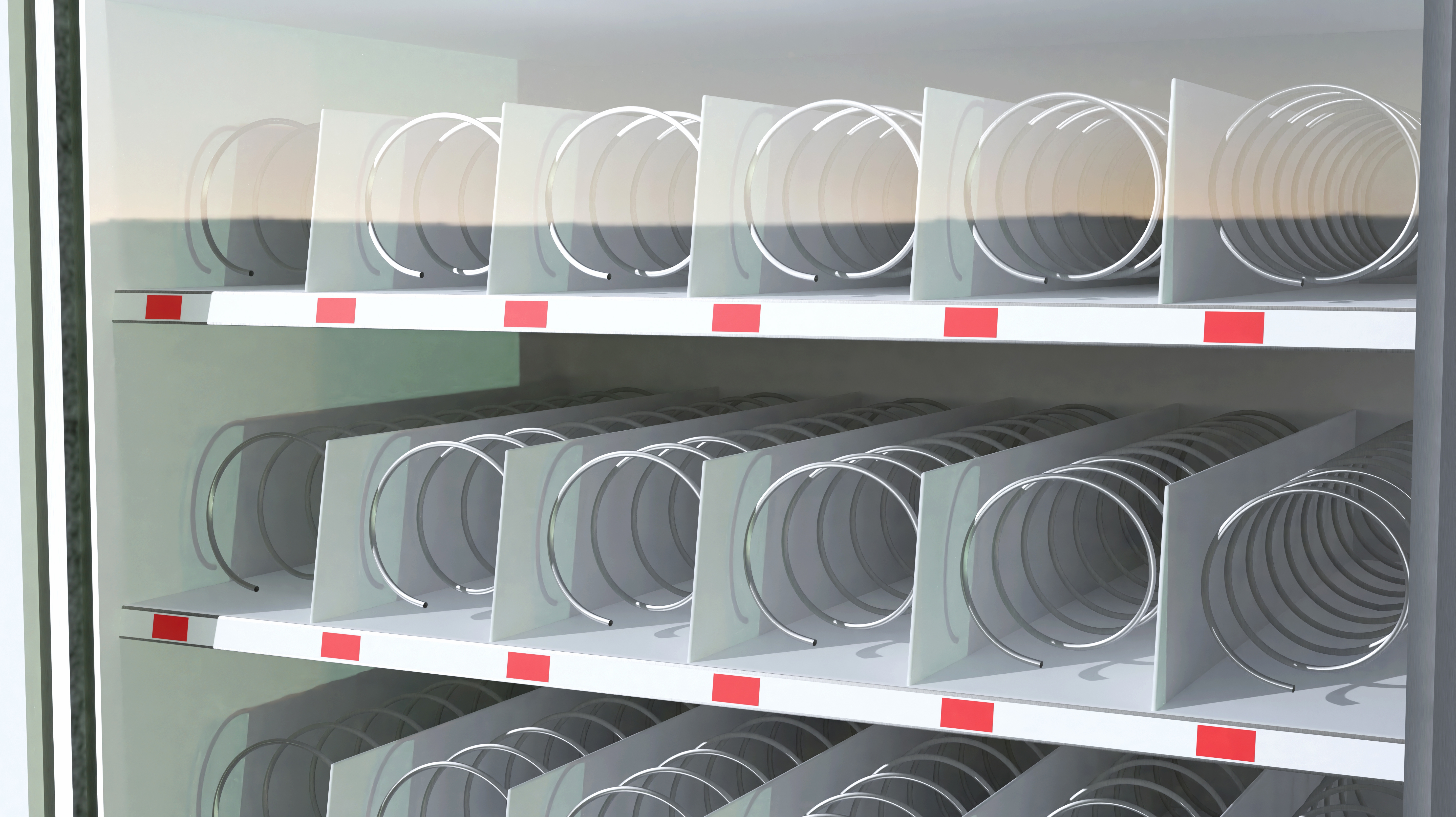
Common mistakes when bringing vending machines into an office or facility: poor placement, no consultation, the wrong selection, and an unclear agreement.
- Mistake one: choosing the spot at the last minute
- Mistake two: checking power after the fact
- Mistake three: not checking the delivery route
- Mistake four: too wide a range at launch
- Mistake five: nobody in charge
- Mistake six: unclear arrangements with the operator
- Mistake seven: forgetting to tell employees
- Mistake eight: ignoring the building's hours
- Mistake nine: no room for waste
- Mistake ten: payments without checking the signal
- Mistake eleven: escape routes and safety
- Mistake twelve: no plan for the first weeks
- Mistake thirteen: no review after a few months
- Mistake fourteen: setting prices without looking around
- Example: an office that started over
- How to prepare for a rollout
- What to check before the rollout
- FAQ
The machine arrived on a Friday afternoon. The driver put it where there was room, in the hallway behind the storeroom. On Monday, it turned out the outlet was too far away, nobody knew who had the key, and employees didn't even know the machine existed. Stories like this happen more often than you'd think. Most of them can be avoided with a few decisions made earlier. This article covers the most common mistakes when rolling out vending machines in an office, plant, school, or other building, and how to avoid them. We're not writing about how to run a vending business. We're looking at it from the point of view of the person hosting the machine.
Mistake one: choosing the spot at the last minute
The most common mistake is choosing the spot on delivery day. The machine ends up wherever there's an empty wall, not where people spend their breaks. Then it sells poorly, and everyone wonders why. Choose the spot in advance, after walking the building and talking to the people who work there. A good spot is close to the break room, kitchen, or main walkway, without blocking the way. Walk around the building at break time and see where people gather. It's a simple observation that saves the machine several moves later.
Mistake two: checking power after the fact
A machine needs an outlet, and a coffee machine often needs water too. Surprisingly often, it turns out the outlet is too far away, the circuit is already loaded with a kettle and a microwave, or there's no outlet at all. You'll find the machine's electrical requirements on the rating plate and in the manual. Whether the wiring at the spot meets them is for an electrician to judge before the machine arrives. An extension cord run across the hallway is a bad idea, because it's a trip and overheating hazard. If you need a new outlet or water connection, plan it with the property manager well in advance.
Mistake three: not checking the delivery route
A machine is big and heavy. Before it arrives, check whether it will fit through the doors, into the elevator, and around the corners of the hallway. Will the floor take its weight? Are there stairs on the way? The manufacturer lists the machine's dimensions and weight. Compare them with the doors and elevator, ideally with a tape measure in hand. Sometimes a machine gets stuck in a stairwell door or won't fit in the elevator, and the driver has to take it back. Also agree on which way the delivery comes in and whether security or reception needs to approve it.
Mistake four: too wide a range at launch
The natural instinct is to please everyone. So the machine gets a little of everything, from candy bars to salads. The result is often the opposite of what was intended. Some products don't sell, and the popular ones run out fast. It's better to start with a smaller, well-considered range based on what people actually need. A short employee survey before launch will help you choose. After a few weeks, sales will show what to keep and what to swap. The operator can usually see that data and suggest changes, if someone on the building's side is willing to discuss them.
Mistake five: nobody in charge
A machine in a building needs a caretaker on the host's side. Someone who reports faults, passes on employee feedback, lets the technician in, and keeps the area around the machine tidy. Without that person, problems get lost. An employee whose coin the machine swallowed doesn't know who to tell. The operator doesn't know the machine has been down for three days. Naming one person and a backup, with a clear list of tasks, is one of the simplest things you can do. Put their contact details on the machine or next to it.
Mistake six: unclear arrangements with the operator
Many misunderstandings come from something nobody agreed on. How often will the operator restock the machine? How long do they have to respond to a fault? Who cleans around the machine? Who pays for electricity? What happens if the machine doesn't sell? Ask these questions before signing, and get the answers in writing. The content of the agreement is up to the parties, and if you have doubts about its terms, it's worth consulting a lawyer. For day-to-day service, what matters is that both sides know what to expect from each other.
Mistake seven: forgetting to tell employees
The machine is there, and people don't know about it. Or they know, but they don't know how to pay, where to report a problem, or whether the healthier products they asked for are coming. A short notice before launch and on launch day makes a big difference. An email, a notice on the board, or a few sentences at a team meeting is enough. Say where the machine is, what's in it, how to pay, and who to send feedback to. Employees who feel their opinion matters are more likely to use the machine and less likely to complain in the hallway.
Mistake eight: ignoring the building's hours
A building isn't just office hours. A plant has night shifts, a school has afternoon classes, a hospital has round-the-clock duty. A machine in a spot that's locked in the evening won't serve people working late. Likewise, a machine restocked only in the morning may be empty before the night shift arrives. Check who uses the building and when, and match the spot, the range, and the restocking schedule to that. This is especially important where the machine is the only source of food after the canteen closes.
Mistake nine: no room for waste
A machine always generates waste. Cups, cans, bottles, wrappers. If there's no bin next to it, or the bin is too small, trash ends up on windowsills and the floor. After a week, the area around the machine is a mess, and people start avoiding it. Put recycling bins next to the machine and decide who empties them and how often. A coffee machine also benefits from a place to set a cup down and something to wipe up spills. These are small things, but they decide whether the machine corner is a pleasant spot or a neglected one.
Mistake ten: payments without checking the signal
A machine that takes cards and phone payments needs a network connection. In a basement, behind thick walls, or deep inside a hall, the signal can be weak. The result: payments get declined, and people give up after the second failed attempt. Before placing the machine, check the signal at that exact spot. Ask the operator how the machine connects and what happens with a weak signal. The details depend on the payment module and are described in the machine's documentation. Sometimes moving the machine a few yards makes the problem go away.
Mistake eleven: escape routes and safety
The hallway looks wide, so the machine goes against the wall. Then it turns out it's an escape route, and the machine narrows the passage or hides a fire extinguisher. Situations like this usually come up during an inspection or, worse, in an emergency. Whoever is responsible for fire safety in the building decides where equipment can stand. Ask them before choosing the spot. Also check that the machine stands steadily and won't tip if someone leans on it or shakes it trying to free a stuck product.
Mistake twelve: no plan for the first weeks
The first weeks after launch are crucial. That's when people form their opinion of the machine. If it's empty, broken, or won't take cards from the start, it's hard to change that impression later. Agree with the operator on more frequent visits at the start and a short review after a few weeks. Which products are selling? Were there any faults? What are employees saying? Based on that, you can improve the range and fix problems before they stick. A good start gives the machine a chance to become a natural part of the day in the building.
Mistake thirteen: no review after a few months
The machine works, so everyone forgets about it. Meanwhile, the building changes. New employees arrive, hours change, a canteen opens or the shop next door closes. A machine that worked well at first may be selling poorly a year later or standing in the wrong place. Every so often, sit down with the operator and go over sales, faults, and employee feedback. A meeting like that takes little time and lets you fit the machine to current needs instead of sticking to decisions made years ago.
Mistake fourteen: setting prices without looking around
Machine prices are something employees talk about eagerly and loudly. If a candy bar costs noticeably more in the machine than in the shop across the street, people will notice in the first week. Some will start bringing snacks from home, and the machine will get a reputation for being expensive, even if the difference only applies to a few items. We don't give specific amounts, because they depend on the product, the agreement, and the operator. But the building's host should know what prices the operator proposes and compare them with the nearest shop or cafeteria. If the company wants to subsidize some products, such as water or coffee, agree on it with the operator before launch and discuss how to account for it with an accountant. Clear price information on the machine also saves unpleasant surprises at checkout. An employee who knows what they'll pay is less likely to feel caught off guard and less likely to complain in the hallway.
Example: an office that started over
A company put its machine in the hallway by the elevators, because that's where there was room. Two months later, sales were weak, and employees complained that the machine was often empty and wouldn't take cards. The admin team ran a short survey, asked an electrician to check the outlet by the kitchen, and moved the machine there. The signal turned out to be better, and people passed it on their way to get coffee. The operator trimmed the range and added the products people had asked for. A designated person collected feedback. A month later, the machine by the kitchen was selling far more than it had by the elevators.
How to prepare for a rollout
Most of the mistakes described here can be avoided with a little preparation before the machine arrives. A meeting with the operator, the property manager, and the person who will look after the machine is enough to settle the main points. Walk the route together from the delivery entrance to the spot, and check the outlet, the signal, and the escape routes. Prepare a notice for employees and a plan for the first weeks, too. This kind of preparation takes a few hours and saves weeks of frustration and calls along the lines of: who ordered this machine, and why is it by the storeroom?
What to check before the rollout
Before the machine arrives, have answers to these questions:
- Where do people spend their breaks, and will the machine be close by?
- Has an electrician confirmed that the wiring meets the machine's requirements?
- Will the machine fit through the doors, the elevator, and the hallway?
- Who looks after the machine on the building's side?
- What are the rules for restocking, service, and cleaning?
- Is there a signal for cashless payments at the spot?
- Does the machine stay clear of escape routes?
- How will employees find out about the machine, and where will they send feedback?
If any question has no answer, it's better to push the delivery back a week than to fix everything after the fact.
Related reading: Vending in Multi-Tenant Buildings.
FAQ
What's the most common mistake when rolling out a machine? Choosing the spot at the last minute, without checking where people spend their breaks and whether there's power.
Do you need to name someone to look after the machine? Yes. One person with a backup who reports faults and passes on feedback prevents many misunderstandings.
How many products should the machine have at launch? Fewer, but well chosen. It's easier to expand the range based on sales than to cut it back.
When should you review how the machine is doing? A few weeks after launch and then every so often, because the building and people's needs change.